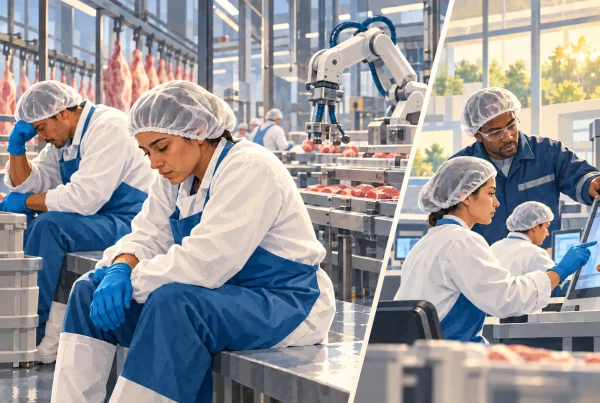

- The transition changes agricultural labour
- Less livestock farming means less manual labour
- New jobs are in other sectors
- The risk lies in the lack of planning
- Geographical mismatch is a major problem
- Rural areas are the most vulnerable
- Diversification is part of the solution
- Agroecology opens new opportunities
- Processing and supply chains grow
- Land management becomes a new livelihood
- Farmers need financial protection
- A just transition requires active policy
The Environmental Change Institute (ECI) at the University of Oxford — just to give this article a bit of extra weight — published one of the most important studies on how dietary change affects agricultural labour. The result is remarkable, if we pay attention to it. The idea of this article is, in broad terms, to look at how agriculture could change and restructure, or in other words evolve, if we dare to take the step toward reducing the consumption of animal products.
Transition
The transition toward plant-rich diets could reduce demand for agricultural labour by 5–28% in some countries by 2030.
But this does not mean job loss — it means changes in jobs, from:
- livestock farming → horticulture
- feed crops → food crops
- livestock farming → ecosystem management
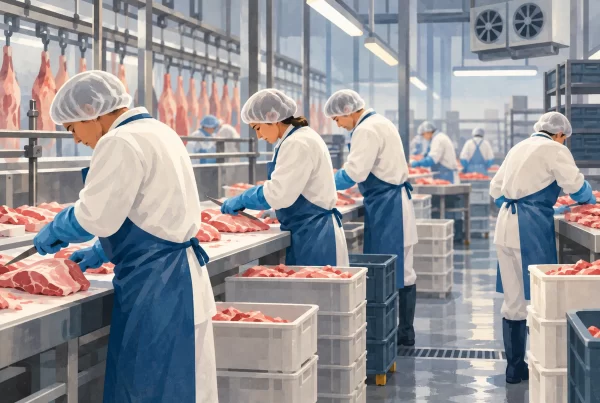
- slaughter → processing and manufacturing
The risk is that without planning, these changes could lead to job losses.
Why agricultural labour decreases in livestock systems
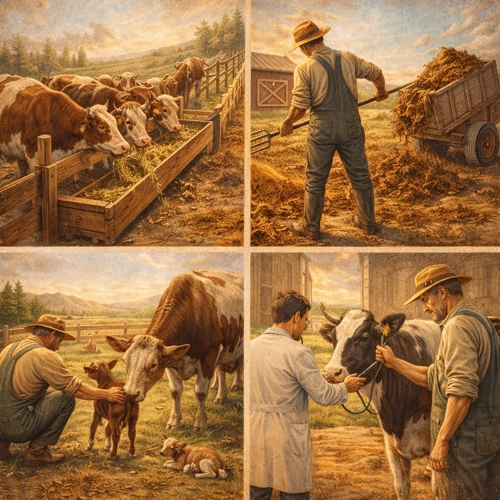
Livestock farming is a labour-intensive livelihood that includes:
- daily care for the animals before we settle their bill
- feeding
- cleaning
- breeding cycles
- manure management
- health checks
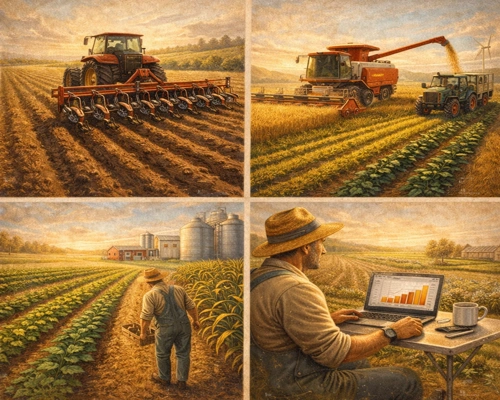
Impact of plant agriculture
Plant agriculture replaces these with:
- mechanised planting
- crop rotation — a fancy term that means planting different crops on the same land
- fewer daily working hours
In this way, calorie efficiency goes hand in hand with labour efficiency. But efficiency without fairness turns into structural unemployment.
Geographical mismatch: The biggest threat
New jobs in the plant-based sector often cluster in:
- suburban areas
- irrigated regions
- industrial processing zones
Meanwhile:
- livestock regions are often remote
- workers are not very mobile
- communities rely on a single employer
If jobs move but workers stay, villages and small towns collapse. Something we know quite well in Bulgaria.
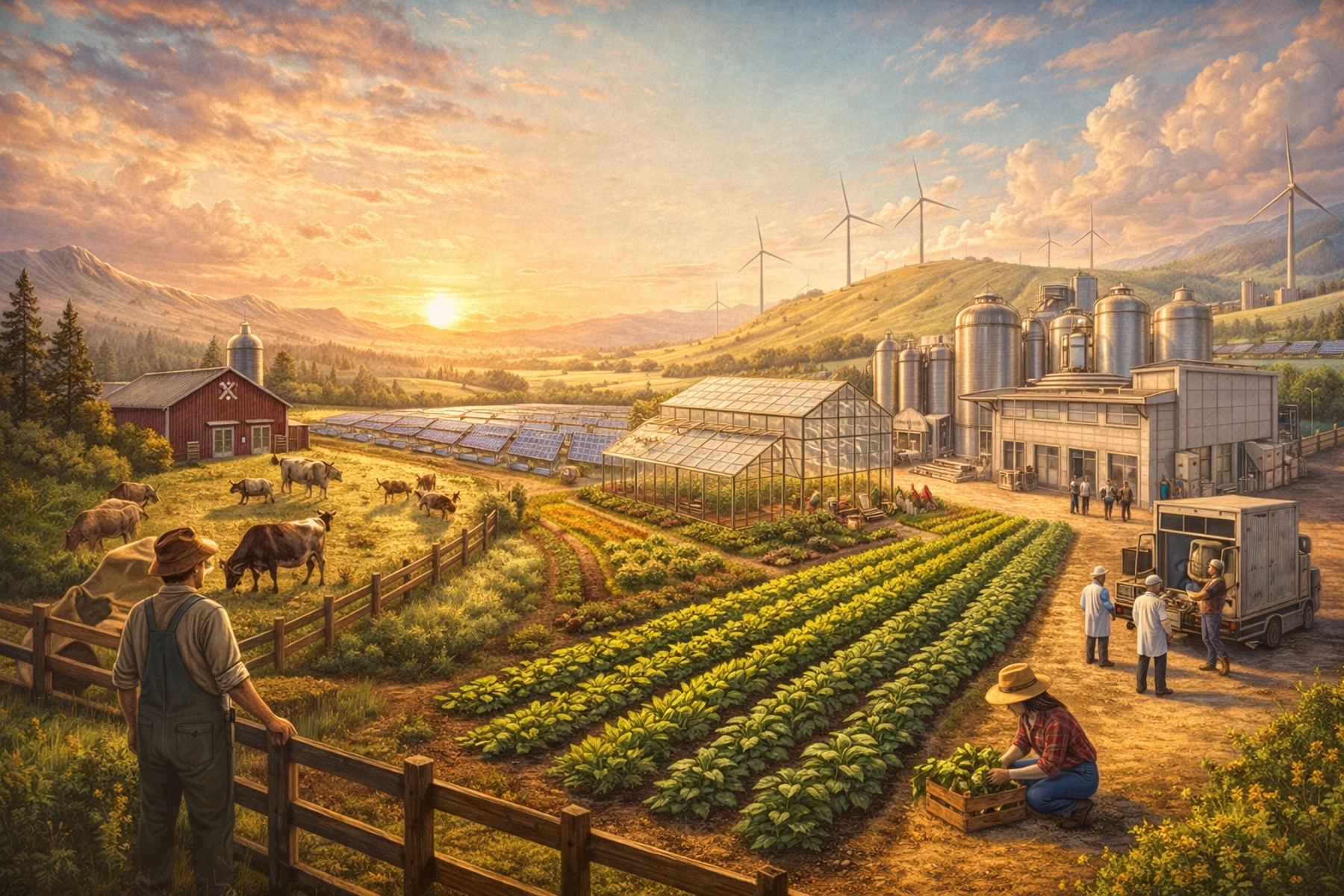
The future of agriculture: What comes after livestock farming?
1) Crop diversification
Legumes, vegetables, specialised grains.
2) Agroecology and regenerative agriculture
Mixed systems with reduced herd sizes.
3) Ingredient supply chains
Fractionation facilities and mills located close to farms.
4) Land management
Paid — or ideally state-sponsored — programmes for:
- carbon capture
- rewilding
- watershed management
- soil restoration
5) Renewable energy
Agrivoltaics, wind energy use, bioenergy crops.
Why farmers need financial safety nets
Livestock farmers face:
- stranded capital — barns, milking systems
- bank debt
- loss of identity and cultural pride
- unstable markets
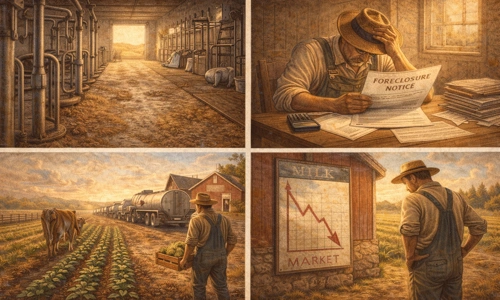

A just transition requires:
- debt restructuring
- buyouts of non-viable farms, although who will do that is anyone’s guess
- subsidies for production diversification
- guaranteed purchase contracts for the goods produced
- without these steps, transitions fail.
The future of agriculture is not livestock versus plants; it is diversification, resilience and mixed systems. With planning, rural areas can thrive. Without it, they risk decline.
Sources:
https://www.ox.ac.uk/news/2025-11-04-global-shift-towards-plant-based-diets-could-reshape-farming-jobs-and-reduce-labour
https://www.laudesfoundation.org/media/uubmmucz/laudes_just-transition-in-food_sept-2025_final.pdf