
- Industrial livestock farming must decline
- Climate pressure makes change inevitable
- The transition carries serious social risk
- Farmers and workers are the most vulnerable
- A sudden contraction would be unfair
- A planned and just transition is needed
- Subsidies must be redirected
- Agricultural alternatives must be supported
- Social protection is mandatory
- Communities must participate in decisions
- New livelihoods for rural areas are possible
- Good policy determines the outcome
Industrial livestock farming — the concentrated, high-output production of beef, pork, poultry, dairy products and fish — is one of the biggest drivers of methane emissions, deforestation, biodiversity loss and excessive antibiotic use — all wonderful things, of course. Reports from the Stockholm Environment Institute and the Global Forest Coalition show that the gradual reduction of industrial livestock farming is inevitable if countries want to meet their climate goals. Whether they actually want that is another question.
But climate necessity comes with social risk: millions of farmers, rural workers, local communities and small-scale producers depend on livestock economies. The solution is not sudden reduction, but a fair, planned and equitable transition.
Why must industrial livestock farming decline?
Climate impact
- Livestock supply chains account for 14–20% of global greenhouse gases.
- Methane from livestock and manure lagoons has a warming effect 80 times stronger than CO₂.
- High nitrogen pollution from manure contributes to dead zones and water pollution.

Impact on biodiversity
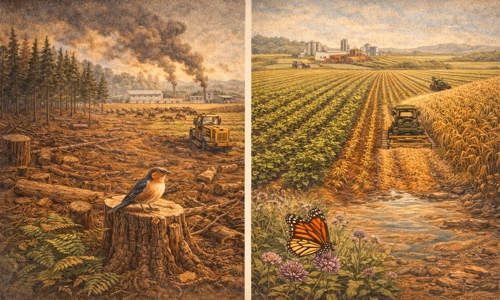
- Deforestation for livestock and feed crops such as soy and corn.
- The agricultural footprint of livestock uses ~80% of agricultural land, but provides <20% of calories.
Public health risks
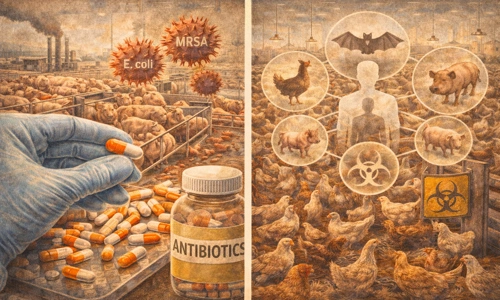
- 73% of globally used antibiotics in livestock farming contributes to antimicrobial resistance.
- High risk of zoonotic outbreaks — infections that can pass between animals and humans — from overcrowded industrial facilities.
Questions of equality
Industrial systems often:
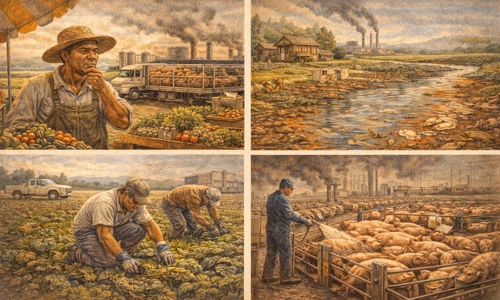
- push down prices for small-scale farmers
- exploit migrant workers
- shift environmental harm onto rural communities
- remove animal welfare from the equation
Risks
The transition has to happen — but the way it is carried out determines whether societies gain stability or face backlash.
Who is most affected?
Farmers and small-scale agricultural producers
- trapped in debt
- limited land alternatives
- weak bargaining position
- cultural identity tied to livestock
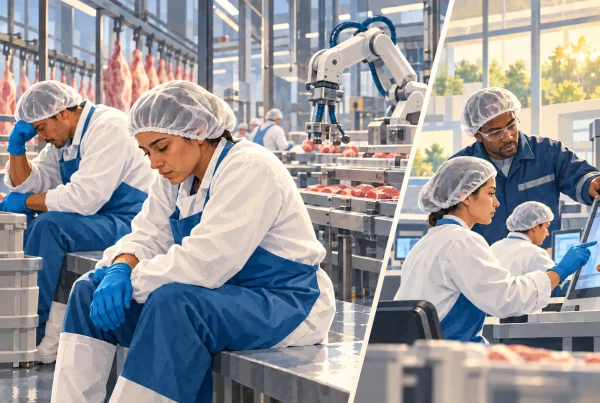
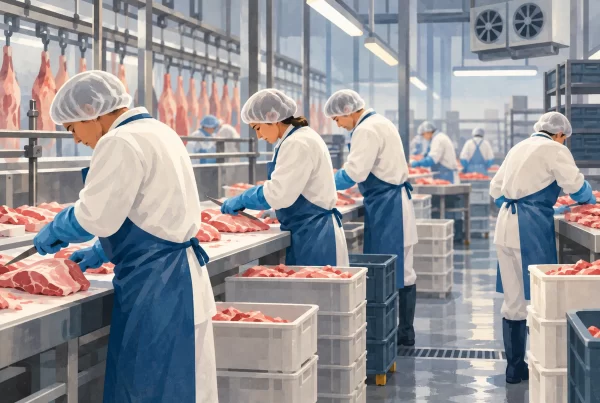
Meat-processing workers
- low-paid, high-risk jobs
- limited access to relocation
Herders and Indigenous communities
- facing loss of land, water sources and grazing rights
- already affected by climate impacts
Women and marginalised communities
- disproportionately represented in informal or low-paid segments
Transition plans must reflect these realities — otherwise “solutions” turn into new injustices, and we already have more than enough of those.
How can it happen?
What a fair phase-down could look like — a 5-step sample model
Remove harmful subsidies and incentives
Most countries subsidise industrial meat far more than plant-based or diversified agriculture. Redirecting funds is essential for setting the wheel of change in motion.
Support sustainable alternatives
Investing in:
- legumes
- agroecology
- mixed crop-livestock systems
- plant-based production
- alternative proteins
- climate-resilient local food systems

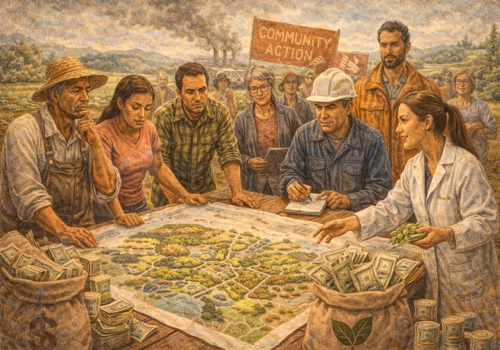
Inclusive planning with public participation
Policies must be co-developed with:
- farmers
- workers
- community groups
- local population participation
- trade unions
- scientists
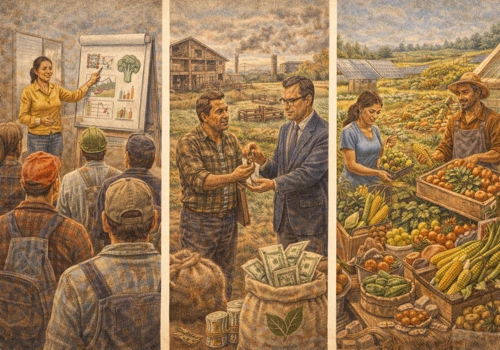
Social protection and transition assistance
- retraining and upskilling for people employed in the sector
- income guarantees
- buyouts of non-viable facilities — the question here is who will buy them and what they will do with them afterwards
- diversification subsidies for different alternatives
- support for cooperative markets
Addressing structural injustice
Securing land rights, challenging corporate concentration and supporting community food systems.
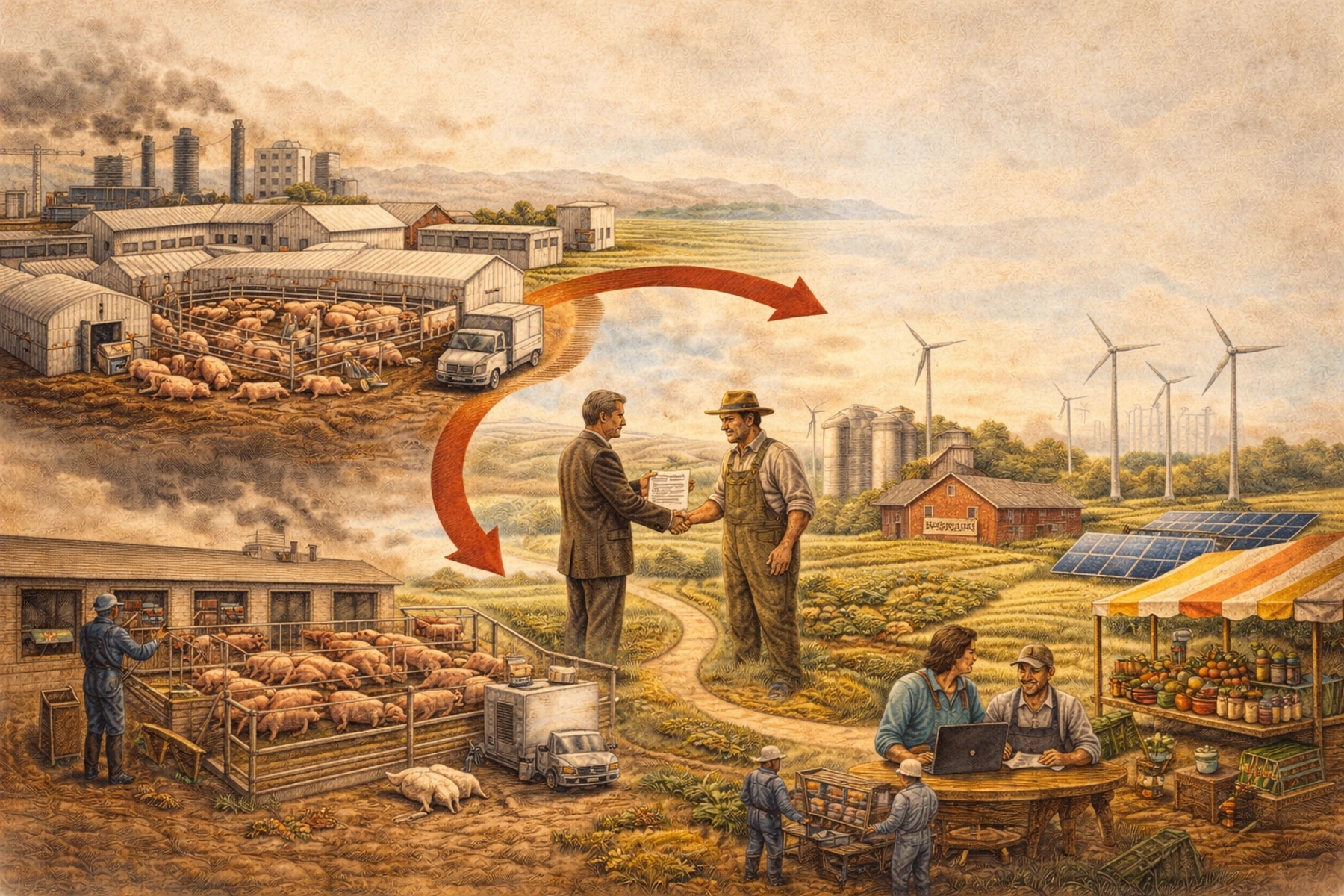
What farmers can do after industrial livestock farming
Options include:
- transitioning to legumes/pulses
- mixed farming systems
- agroforestry
- ecosystem restoration work
- regenerative grazing with lower intensity
- leasing land for renewable energy
- local food hubs or value-added products
With the right support, these can be more profitable, environmentally friendly and resilient.
Why sudden reduction is unfair — and politically dangerous
Without planning, the consequences resemble failed transitions in coal-mining regions:
- unemployment
- depopulation — and here we are talking about other countries too. In ours, there are not many populated rural areas left to depopulate
- loss of rural services
- political radicalisation
- anti-environmental backlash
A fair phase-down ensures that the benefits of the transition are shared and the risks are softened.
Conclusion
The phase-down of industrial livestock farming is necessary — but it must be managed, humane, fair and democratic. The alternative is decades of conflict, inequality and resistance. If done properly, it becomes a pathway toward climate stability, rural renewal and better livelihoods.
Sources:
https://www.laudesfoundation.org/media/uubmmucz/laudes_just-transition-in-food_sept-2025_final.pdf
https://www.sei.org/projects/just-transitions-animal-agriculture/
https://www.sei.org/publications/just-transition-meat-sector/