

- The dairy industry hides serious problems
- Early calf separation causes distress
- Cows live in a cycle of constant exploitation
- Indoor systems restrict natural behavior
- Lameness is a widespread and painful problem
- Mastitis and metabolic stress are common
- High milk yield comes with a biological cost
- Heat stress further worsens animal welfare
- Cows are culled far too early
- Sick animals often also go through harsh transport
- Better conditions can reduce suffering
- The system itself needs to change
Milk and dairy products are often associated with pastoral images: cows grazing peacefully in green fields, cared for by attentive farmers — an idyll, in other words. In reality, modern dairy production has changed dramatically over the past century.
Today’s dairy industry is highly industrialized, relying on intensive housing systems, genetic selection for extreme milk production and tightly controlled reproductive cycles.
Reports from the Humane Society of the United States, Compassion in World Farming and standards developed by the World Organisation for Animal Health recognize that these systems can create major welfare challenges for dairy cows. The scientific literature on welfare similarly identifies lameness, mastitis, metabolic disorders and behavioral restrictions as major problems in intensive dairy production.
This article examines three key factors affecting animal welfare problems in the dairy industry: calf separation, indoor housing and high-production exploitation.
The basic structure of industrial dairy production
In order to produce milk continuously, dairy cows must give birth regularly — usually every 13–14 months. This creates a cycle of:
- Pregnancy
- Birth
- separation from the calf
- lactation, 10+ months
- re-insemination
- repeat
Modern dairy cows have been selectively bred to produce 10,000–12,000+ liters per year, far above natural levels.
This intensification lies at the root of almost all welfare problems affecting calves and cows in dairy farming.

Calf separation: Emotional and behavioral consequences
Immediate separation
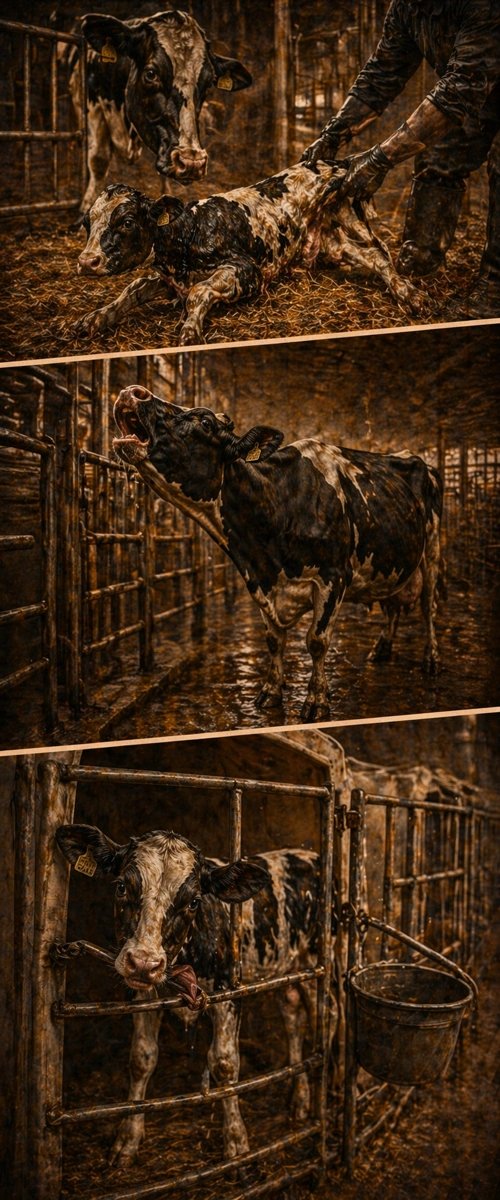
In most industrial systems, calves are removed from their mothers within hours of birth. The main reasons:
- The milk must be redirected for human consumption.
- Farmers aim to reduce disease transmission.
- Management systems prefer individual calf rearing.
Consequences for cow welfare
Scientific evidence shows that cows form strong bonds with their calves. Early separation causes:
- prolonged vocalization, calling for the calf
- anxiety
- pacing or agitation
- physiological stress responses
The behavioral and emotional distress is immediate and measurable.
Consequences for calf welfare
Calves housed in individual hutches or pens experience:
- social isolation
- restricted movement
- inability to bond or play
- abnormal oral behavior
CIWF emphasizes that early separation disrupts normal social and emotional development in calves. Many calves are fed limited rations of milk replacer that do not match natural feeding behavior.
Housing systems: Confinement, hard flooring and limited freedom
Dairy cows are kept in different systems, and their welfare varies dramatically, while industrial systems often share key problems:
Zero-grazing systems, fully indoor
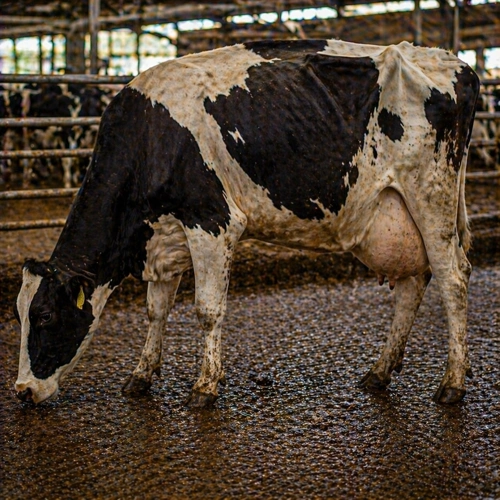
Cows live indoors year-round, on concrete or rubber flooring, with limited space. This eliminates natural behaviors such as:
- grazing
- walking long distances
- exploring fields
- resting on soft pasture
WOAH recognizes that these systems must be managed carefully because they inherently increase welfare risks.

Loose housing, cubicles
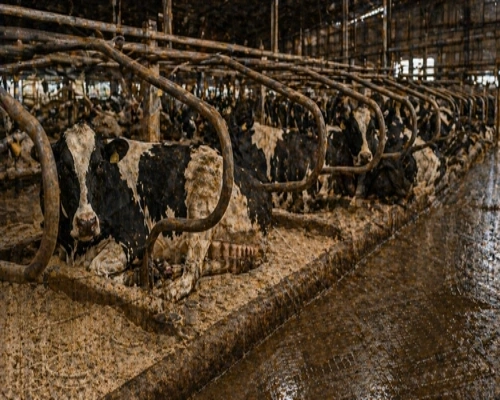
Cows “rest” in individual cubicles. Welfare depends heavily on cubicle design and bedding. Problems include:
- insufficient cubicle space
- hard surfaces
- competition for preferred cubicles
- hygiene problems leading to mastitis
- poor cubicle conditions are strongly linked to lameness.
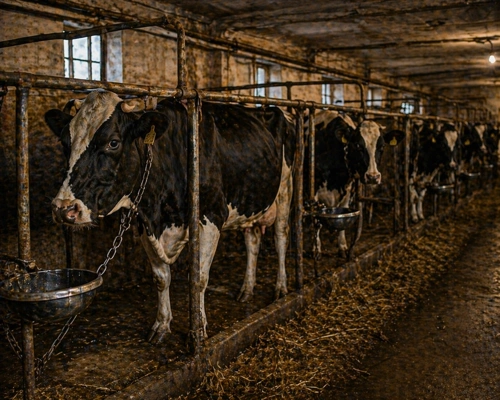
Tie-stall systems
Still common in parts of Europe and North America, cows are tied by the neck — sometimes for months. In this way, they receive the incredible luxury of:
- extremely restricted movement
- lack of social interaction
- inability to walk freely
CIWF identifies tie-stall systems as among the most restrictive and harmful forms of cattle confinement.
Lameness: The most widespread welfare problem in dairy cows
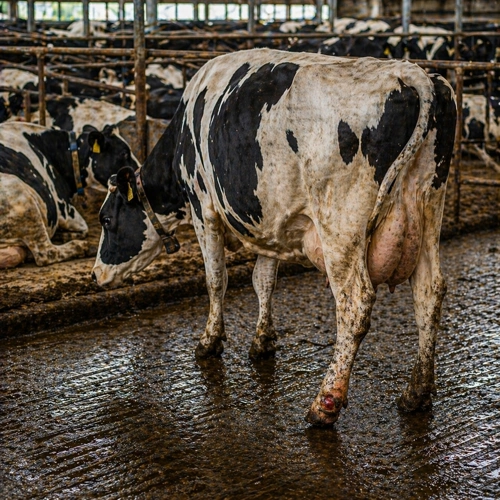
Lameness is described by animal welfare scientists as one of the most serious and preventable welfare problems in dairy farming. It causes chronic pain and significantly reduces mobility and quality of life.
Main causes
- hard concrete floors
- overcrowded barns
- poor bedding
- insufficient lying time
- hoof trauma and lesions
- metabolic stress, affecting hoof health
Lame cows lie down more, eat less, produce less milk and face a higher risk of disease. Despite this, lameness levels remain high worldwide — some herds have 20–30% lameness prevalence, and even well-managed industrial farms often exceed 10%.
Mastitis and metabolic disorders
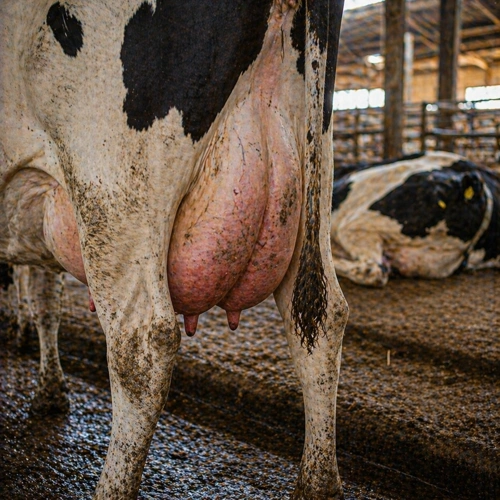
Mastitis — inflammation of the udder — is painful and extremely common. Causes include:
- unhygienic bedding
- high milk yield
- udder injuries
- immune suppression caused by metabolic burden
It is one of the leading reasons for antibiotic use in dairy farming, which, as some of you may know, can sometimes reach the dairy products we happily, happily consume.
Metabolic stress
High-yielding cows often fall into negative energy balance, meaning they cannot consume enough calories to sustain production. This leads to:
- ketosis
- fatty liver disease
- reduced fertility
- immune suppression
- “downer cow” syndrome, severe metabolic collapse
HSUS and CIWF reports emphasize that high-yield genetics constantly push cows beyond their biological limits.
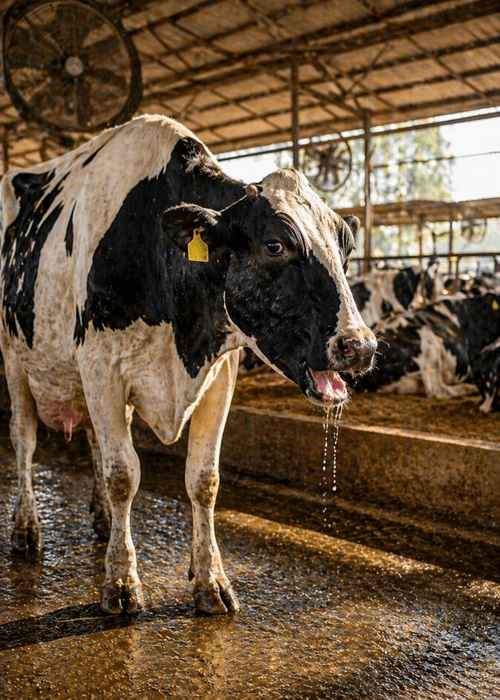
Heat stress
A growing animal welfare threat
Dairy cows are especially vulnerable to heat because:
- milk production generates metabolic heat
- barn interiors can trap heat
- concrete floors and metal roofs worsen heat load
Heat stress leads to:
- reduced feed intake
- heavy panting and drooling
- fertility problems
- increased lameness
- higher mortality during hot seasons
Climate change is intensifying this welfare challenge worldwide.
Early culling: A short life for high-producing animals
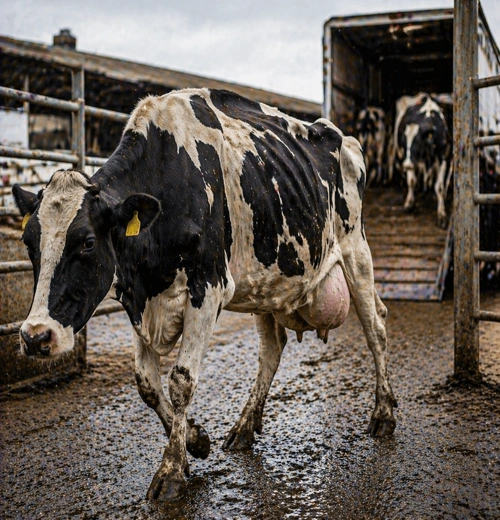
The natural lifespan of a cow is 20–25 years, but industrial dairy cows usually live only 4–6 years before being culled. Reasons include:
- declining milk yield
- chronic lameness
- recurrent mastitis
- reproductive failure
- metabolic collapse
Early culling is a key indicator that the demands of the production system exceed what cows can sustainably endure.
Transport and slaughter
Additional stress for weakened animals
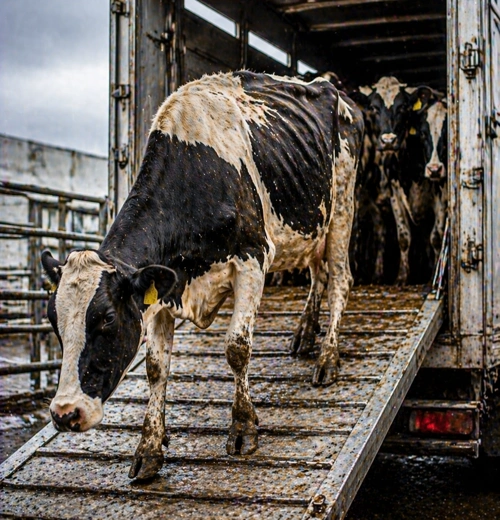
Weak, lame or sick cows are often transported over long distances:
- without water
- in cramped trucks
- in extreme temperatures
Transporting compromised animals increases suffering and often violates animal welfare guidelines, but enforcement gaps persist.
At slaughter, improper stunning or handling can cause preventable pain — especially for cows already weakened by illness or lameness.
Paths toward better welfare
Several improvements can significantly improve the welfare of dairy cows:
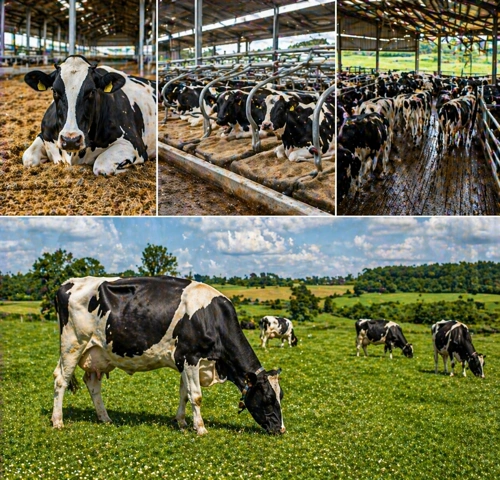
Housing improvements
- Comfortable bedding
- Improved cubicle design
- Reduced stocking density
Access to pasture
Allowing cows to graze outdoors supports natural behavior and improves hoof health.
Breeding for resilience
Some scientists advocate selecting cows for health and longevity, not only for milk yield.
Alternative calf-rearing systems
Cow-calf contact systems and improved social housing for calves show promising welfare benefits.
Modern dairy systems have achieved remarkable gains in productivity, but these gains come with significant welfare trade-offs. Early calf separation, restrictive housing and extreme breeding for milk production create a combination of behavioral deprivation, disease risk and shortened lifespan.
Understanding these welfare challenges is essential for developing more humane and sustainable dairy systems. Improving cow welfare does not necessarily require abandoning dairy production, but it does require rethinking how cows are bred, housed and managed within the system.